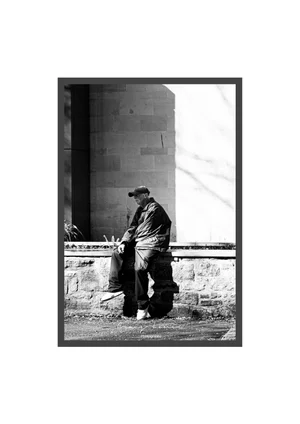
Street photography interests me because it captures real life as it is happening.
Not staged. Not polished. Not arranged for the camera.
Just people, places, streets, shop fronts, cars, clothes, signs, buildings, weather and all the little things that make up normal life at a certain point in time.
That is what I like about it.
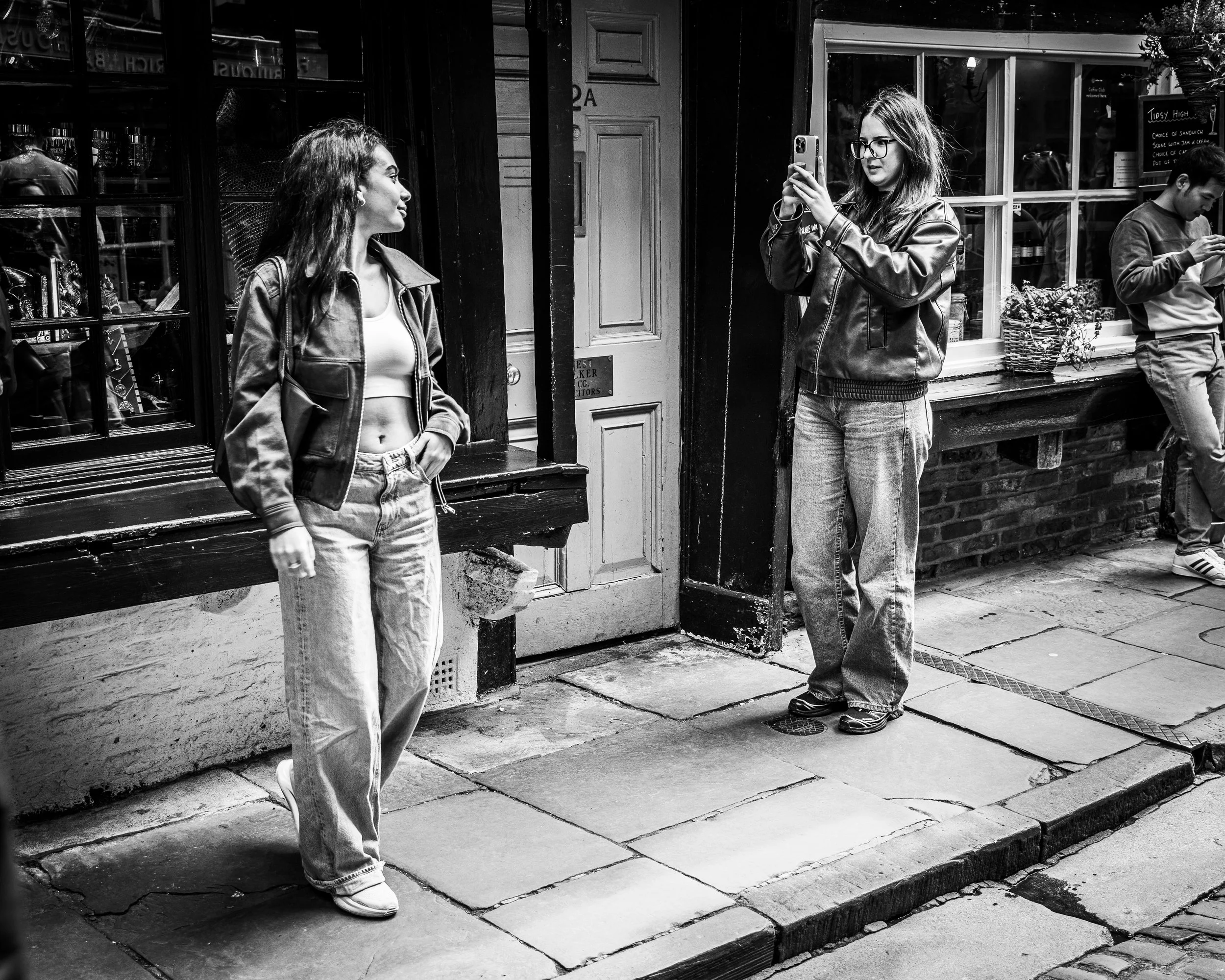
The Insta shot
When I travel, I am not only looking for the big views. I like the small details as well. Someone sitting outside a café. A group of old men talking in a square. A woman crossing the road with her shopping. A kid getting a free ride. A police officer having a smoke. A car parked outside a building that might not be there in ten years.
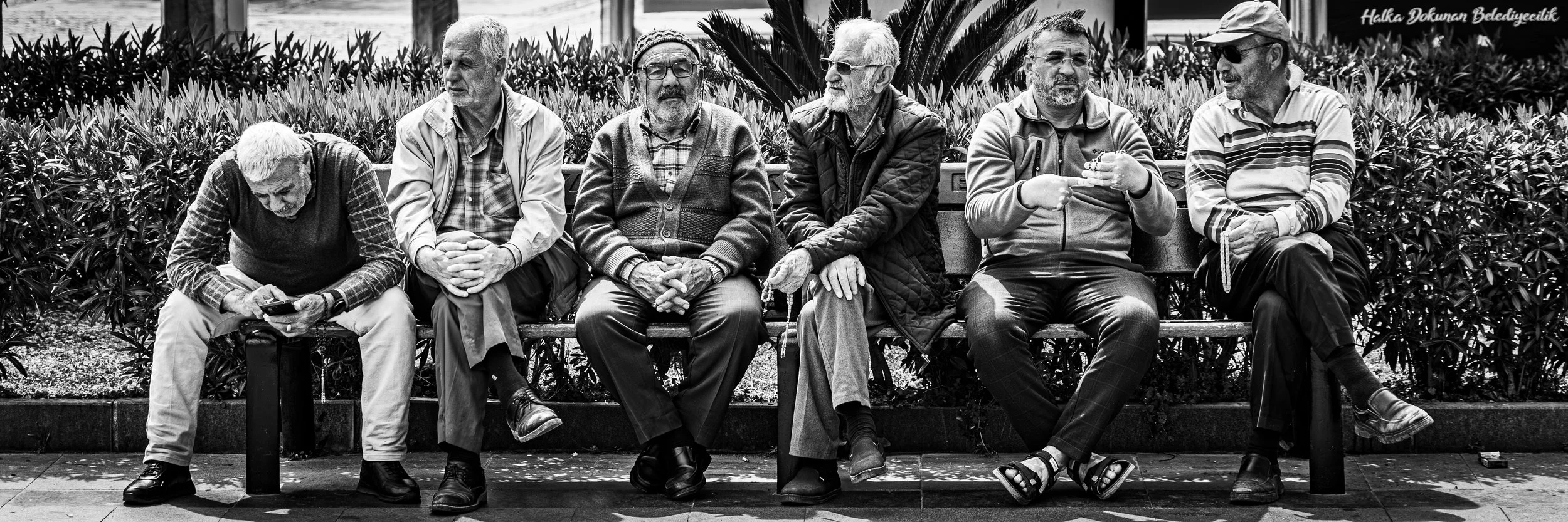
Six Wise Men
At the time, it can look ordinary.
But ordinary changes.
The clothes people wear change. The cars change. The shop signs change. The buildings get cleaned up, knocked down, painted over or replaced. The way people stand, smoke, talk, work, wait and move through a city changes as well.
That is why street photography matters to me.
It is a record of the day.
A small piece of the world as it was when I walked past.
Some of the best street photographers understood this better than anyone. Henri Cartier-Bresson was known for timing and catching the decisive moment. Vivian Maier photographed people and street life with a quiet honesty. Garry Winogrand showed the energy and chaos of American streets. Robert Frank gave a raw view of everyday life. Diane Arbus photographed people who were often ignored or overlooked. Saul Leiter used colour, reflections and layers in a way that made ordinary streets look completely different.
They all had their own way of seeing things.
That is the part I find interesting.
Street photography is not just about taking a photograph of someone in the street. It is about noticing something. A look, a gesture, a bit of humour, a bit of sadness, a strange scene, a clash of old and new, or a moment that says something about where you are.
Sometimes the image makes sense straight away.
Sometimes it only becomes interesting later.
A photograph of a street in Istanbul, Albania, York, Glasgow or anywhere else might not seem important at the time. But years later, people look at it differently. They notice the clothes, the cars, the prices in the windows, the signs above the shops, the phones in people’s hands, or the fact that something in the picture no longer exists.
That is the value of it.
Street photography freezes culture in small pieces.
It shows people as they were. Not famous people. Not perfect people. Just people living their lives.
That is what I try to capture when I take these photographs. I am not trying to make everyone look beautiful. I am not trying to make a place look better than it is. I am trying to catch something real.
Sometimes it is funny.
Sometimes it is quiet.
Sometimes it is messy.
Sometimes it is just a person in the right place, at the right time, with the right background.
I like that.
I also like that street photography gets me walking. It makes me look harder. It makes me pay attention to corners, windows, reflections, shadows, signs, faces and the way people move through a place.
You can learn a lot about a city by watching its streets.
You see how people dress. How they work. How they relax. How they wait. How they gather. How they ignore each other. How they help each other. How old culture and modern life sit side by side.
That is why I shoot street photography.
Because it is honest.
Because it changes.
Because in years to come, the small things in the frame might become the most interesting part of the image.
I feel as if I am collecting little snippets of the world as I go by.
Nothing more complicated than that.
A street, a person, a moment, a bit of culture, caught before it disappears.